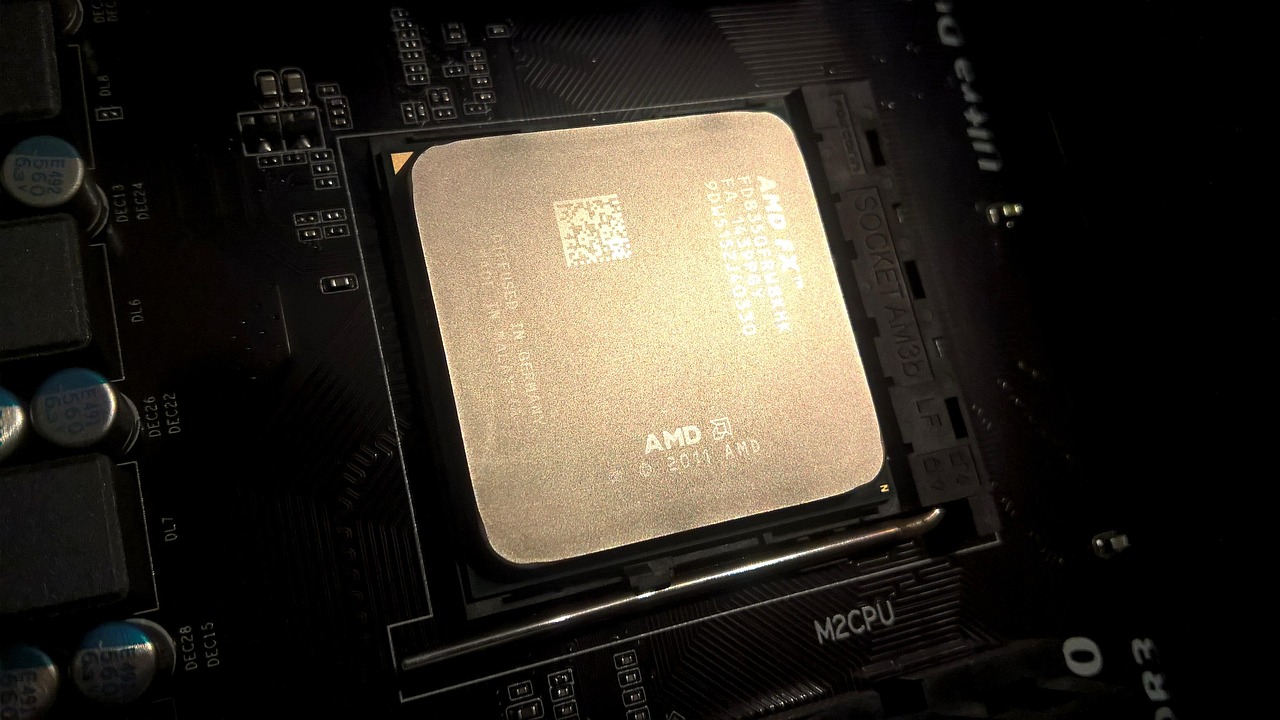
AMD is extending the AM5 platform’s support through 2029, a move that mirrors the long-term strategy behind the AM4 socket. The AM4 platform, introduced in 2016, initially supported Bristol Ridge APU before evolving to host Ryzen CPUs with Zen 1, Zen 2, and Zen 3 architectures. Now, AM5 is set to follow a similar path, accommodating Zen 5, Zen 6, and potentially Zen 7 processors. This extension gives users more time to upgrade without needing new motherboards, a decision that reflects AMD’s focus on backward compatibility.
AM5’s Evolution and Longevity
The AM5 socket debuted in 2022, driven by the need for DDR5 memory and PCIe 5.0 support. Initially, it housed Zen 4 CPUs, but by 2026, it already supported Zen 5. At Computex 2026, the company confirmed that AM5 will remain relevant until 2029. This longevity plan suggests a seven-year lifespan for the socket, a timeline that aligns with how AM4 has persisted since 2016. The company’s commitment to extended support includes BIOS updates for first-generation AM5 motherboards, ensuring older hardware remains compatible with future Ryzen chips.
Related: Dell PC, Server Markets Hit by Memory Surge
The company’s decision to delay the next socket change hinges on current market conditions. DDR5 and PCIe 5.0 offer sufficient performance for upcoming GPUs and storage solutions, while memory prices remain high for most consumers. It has stated it will move to newer standards only when costs stabilize and adoption rates increase. This approach contrasts with earlier transitions, where upgrades were tied to architectural shifts rather than consumer demand.
Competitive Setting and Industry Trends
Intel is also extending the lifespan of its sockets, including the LGA 1700 and upcoming LGA 1954. The LGA 1954 is expected to support multiple generations, a strategy that mirrors the company’s AM5 plan. Both companies are prioritizing long-term platform support, a trend that benefits users and motherboard manufacturers. This shift reduces the frequency of hardware overhauls, allowing consumers to invest in motherboards that remain viable for years.
The company’s extended AM5 support also impacts chipset and board design. Board partners are expected to release updated chipsets and motherboard layouts that maintain AM5’s compatibility while improving features like power delivery and cooling. These updates will be optional, allowing users to upgrade selectively without replacing their entire system.
While the company’s roadmap avoids speculation about DDR6 or PCIe 6.0, it has not ruled out future transitions. Current benchmarks show PCIe 5.0’s performance is adequate for most applications, and DDR5’s capacity and speed meet near-term needs. However, the industry’s shift toward higher bandwidth and lower latency may eventually drive another socket change, though not before 2029.
Implications for Users and the Market
For users, the company’s AM5 extension reduces the pressure to upgrade hardware frequently. This approach allows more time to plan purchases and avoids premature obsolescence. The decision also benefits manufacturers by reducing the need for constant redesigns, which can lower costs over time.
Related: Govee Unveils Vibrant Solar Powered Outdoor Lights for a Brighter Eco Friendly Experience
The company’s focus on backward compatibility ensures that existing systems can keep pace with new technologies without requiring immediate replacement. This strategy may encourage more users to stay within the same ecosystem, supporting long-term loyalty and reducing fragmentation in the market.
The move could also influence competitors to adopt similar practices, potentially leading to a more stable and predictable upgrade cycle for consumers. By aligning hardware longevity with user needs, the company aims to balance innovation with practicality, ensuring that advancements do not come at the expense of accessibility.