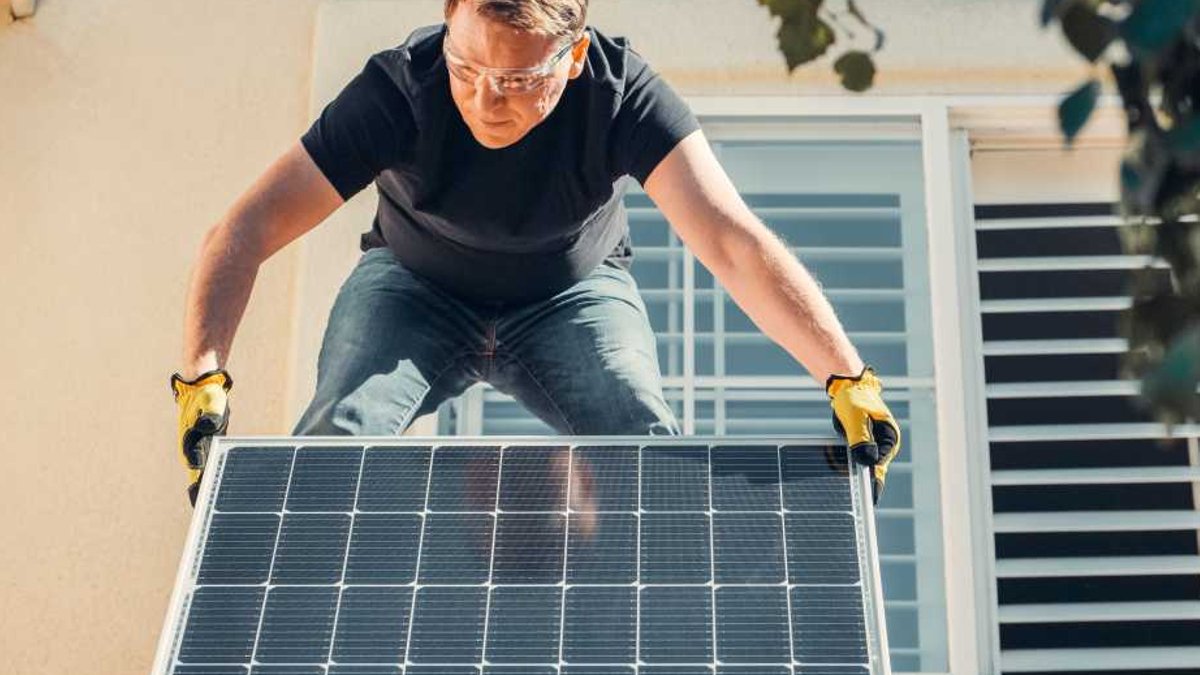
The debate over where artificial intelligence should run has shifted from a philosophical argument about privacy to a practical question of cost. For years, the industry swung between cloud-based giants like ChatGPT and local processing on personal computers. Now, the momentum is heading back toward the device in your hands. The prevailing argument in tech circles is no longer just about data sovereignty, but about the bottom line. AI subscriptions are becoming the new electric bill, and your personal computer is emerging as the solar panel that lets you generate that power for free.
Announcements at the IFA trade show in Berlin last week highlighted this shift. The core selling point of modern AI is productivity multiplication. It assigns independent agents to tasks you would otherwise perform yourself. The trouble, however, is that this capability comes with a recurring fee. Cloud providers charge for subscriptions and limit token usage, often expiring those limits at the most inconvenient moments. Just as homeowners install solar panels to escape rising utility rates, tech users are looking to invest in their own “power generation” to stop paying for every cycle of computation.
Pooling Power at Home
Nvidia has been a consistent advocate for powerful local graphics processing units. Their new concept, the Personal AI Router or PAIR, aims to combine every GPU-equipped device on a home network into a single pool of computing power. According to the company, they have tested the system on up to 18 devices.
There is a catch, though. PAIR assumes a hardwired network infrastructure. It does not work well with the mesh routers common in most homes, meaning users would need to install a physical switch to make it function reliably.
Another option gaining traction is a project called Exo. It finds and assimilates both CPU and GPU resources, as well as storage, into an AI cluster. These components daisy-chain together via Thunderbolt connections. For households with existing high-end hardware, this seems like a logical step. It is more forgiving than Ethernet-based setups, though it requires tighter physical quarters.
The downside for both approaches is energy consumption. Running these clusters locally pulls significant power and generates considerable heat, which is a trade-off many users are willing to make to avoid monthly subscription fees.
Microsoft is pushing a different angle, referring to the strategy as “unmetered intelligence.” Mark Linton, the corporate vice president of Windows + Devices, argued at IFA that PC makers and owners should offload daily AI workloads to their local machines. “We mean that these powerful PCs can complement what you do in the cloud, but you shouldn’t have to go to the cloud for models that you can use every day,” Linton said. He suggested that if a PC is powerful enough, users can change their token economics by running models locally.
This marks a departure from the earlier pitch that the Neural Processing Unit or NPU was the sole engine of AI. It is becoming clear that GPUs are better for generative tasks, while CPUs manage agents more effectively. NPUs still have a role, but they are better suited for efficient, small tasks like the filtering algorithms in Windows Studio Effects.
For the average office worker, this shift changes the daily workflow. Instead of waiting for a cloud request to process, the machine on your desk handles the drudgery immediately. It means that the bottleneck is no longer your internet speed or your subscription tier, but the physical limits of your hardware. If your computer can handle the load, the marginal cost of running an agent drops to near zero. This is a significant change from the current model, where every complex query carries a hidden financial weight.