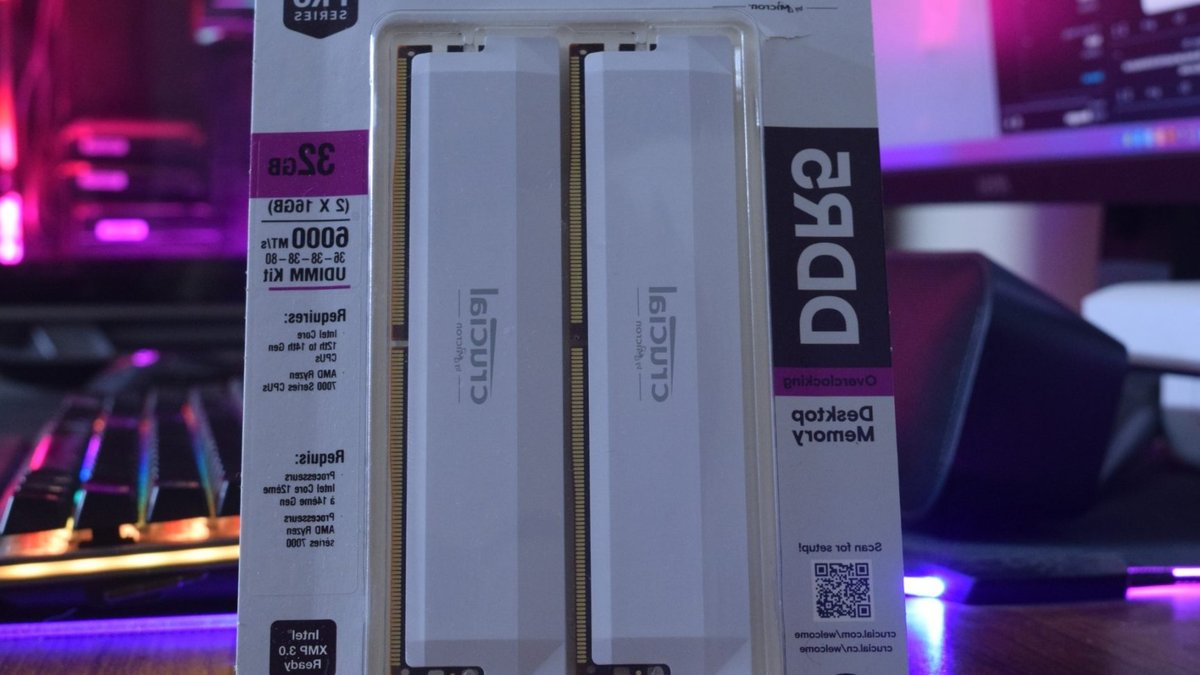
Memory shortage continues to choke the PC market, driving a 4% year‑over‑year decline in Q2 2026, according to the latest Counterpoint Research data.
Q2 shipments tumble as DRAM prices soar
Global PC shipments fell to 65 million units in the second quarter, ending the growth streak that began in early 2025. The decline aligns with a sharp rise in DRAM costs, which have more than doubled since the start of the year. All manufacturers have been forced to absorb higher memory prices, pushing retail prices up across the board.
Five vendors now account for 78% of the market. Lenovo leads with a 25.6% share, despite a 2% drop in shipments to 16.6 million units. HP slipped to a 20% share after an 8% decline, while Dell’s share fell to 14.3% following a 6% reduction in shipments. The remaining two players showing growth are ASUS and Apple.
ASUS gained 4% in market share, reaching 7.4%, and Apple posted a 13% increase, lifting its share to 10.5%. Both companies benefitted from newer product launches that emphasized AI‑ready hardware.
Why the market is shifting toward premium AI PCs
Intel’s 18A Core Series 3 chips and AMD’s refreshed Ryzen families have entered the market, but their impact is muted by the memory crunch. Apple’s MacBook Neo, a recent addition to its lineup, helped the brand post the strongest growth among all OEMs. Meanwhile, ASUS’s rapid adoption of diverse AI‑focused designs—from entry‑level Vivobook models to high‑end ProArt workstations—has captured early‑adopter interest.
Analysts note that the ongoing shortage is reshaping demand patterns. Enterprises continue to fund Windows upgrades and AI‑related workloads, keeping commercial demand relatively stable. In contrast, consumer purchases remain tentative as higher component costs erode price sensitivity.
Related: China Chip Shipments to Hit 5 Million
One practical implication of this shift is that buyers looking for a new PC may find themselves steered toward higher‑priced, AI‑capable machines. For users who rely on on‑device processing for tasks like photo editing or video rendering, the performance gains can justify the cost. However, those seeking basic productivity or web browsing may face fewer affordable options as manufacturers prioritize premium segments.
Developers are feeling the pressure, too.
Software teams must now optimize code for AI acceleration while contending with limited memory headroom. This reality forces tighter testing cycles and often requires redesigning applications to run efficiently on newer, more expensive hardware.
Outlook and longer‑term expectations
Memory and storage prices are projected to rise another 50% or more in the coming months. The industry expects the current cycle to persist for several years, with memory makers warning that the shortage could last a decade.
David Naranjo, associate director at the research firm, said, “The memory shortage is no longer just a short‑term supply problem. It has become a key factor changing the direction of the PC industry. As OEMs face higher component costs, the market will shift toward premium AI PCs, since their better performance and on‑device AI features make higher prices easier to accept.”
While enterprise demand is likely to stay robust, consumer demand is expected to remain limited until component costs ease. The focus on premium AI platforms is set to dominate the market narrative for the remainder of 2026 and beyond.