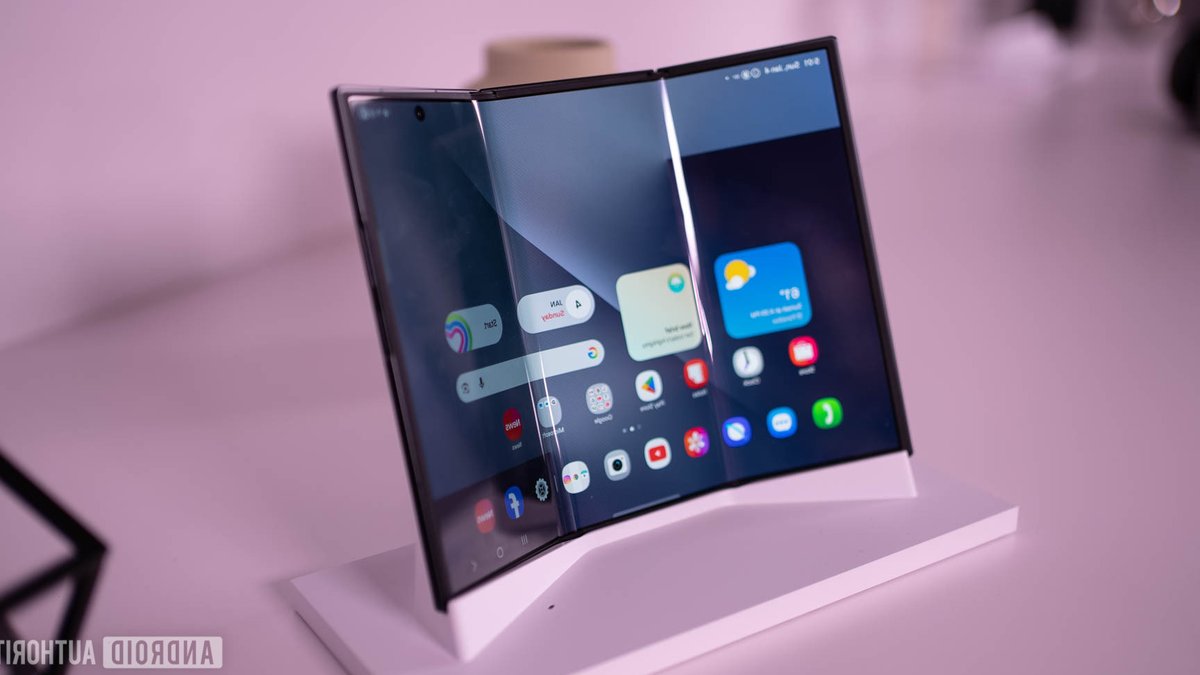
Samsung’s flagship lineup could expand to eight devices annually, featuring a new foldable model alongside its standard Galaxy S series next year.
Korean publication ETNews reports that Samsung has begun early development on the second-generation Galaxy Z TriFold. The company reportedly shared details of the project with component partners, aiming to launch the device alongside the Galaxy Z Fold 9 series around July next year.
Unlike the first Galaxy Z TriFold, which had a limited production run, Samsung is expected to manufacture the second-generation model in larger numbers. The device could bear the same display size specifications as the current model while benefiting from the initial testing in the market.
The report suggests that the new TriFold would become a regular member of the foldable lineup rather than a special edition device. This shift indicates Samsung’s confidence in the form factor following the initial release.
A “4+4” flagship strategy
ETNews also claims that Samsung will introduce a Galaxy S27 Pro, creating a “4+4” flagship strategy. This approach would consist of four Galaxy S phones and four foldable phones released each year.
The Galaxy S27 family is expected to include the standard Galaxy S27, Galaxy S27 Plus, Galaxy S27 Pro, and Galaxy S27 Ultra. These devices would launch in the first half of the year. The foldable lineup would follow in the second half, comprising the Galaxy Z Flip 9, Galaxy Z Fold 9, Galaxy Z Fold 9 Ultra, and the Galaxy Z TriFold 2.
Such a structure would represent a significant shift in how Samsung approaches its premium hardware. By staggering the release of these devices, the company could maintain a steady cadence of flagship announcements throughout the calendar year rather than concentrating them in a single quarter.
Manufacturers are exploring new ways to keep consumers engaged with evolving technology.
Concerns arise when manufacturers prioritize novelty over practical upgrades. Flip Phone Upgrade Raises Concerns
The introduction of the Galaxy S27 Pro would also mark a notable expansion of the Galaxy S series, which has traditionally consisted of three main models. The addition of a fourth variant could help Samsung to better compete with other manufacturers that offer a wider range of flagship devices.
Moreover, the “4+4” flagship strategy could allow Samsung to target different segments of the market with its Galaxy S and foldable lineups. The Galaxy S series could continue to cater to the needs of mainstream consumers, while the foldable devices could appeal to those looking for more innovative and premium products.
The decision to launch the second-generation Galaxy Z TriFold alongside the Galaxy Z Fold 9 series also suggests that Samsung is committed to establishing its foldable devices as a major part of its flagship lineup. By releasing these devices together, Samsung could create a more cohesive and full premium product portfolio.
Additionally, the increased production of the second-generation Galaxy Z TriFold could help to improve the device’s availability and reduce its price, making it more accessible to a wider range of consumers. This, in turn, could help to drive the adoption of foldable technology and establish Samsung as a leader in this emerging market.
As the smartphone market continues to evolve, manufacturers like Samsung must adapt and innovate to stay ahead of the competition. The “4+4” flagship strategy and the introduction of new devices like the Galaxy S27 Pro and the second-generation Galaxy Z TriFold demonstrate Samsung’s commitment to pushing the boundaries of mobile technology and providing consumers with a wider range of choices.