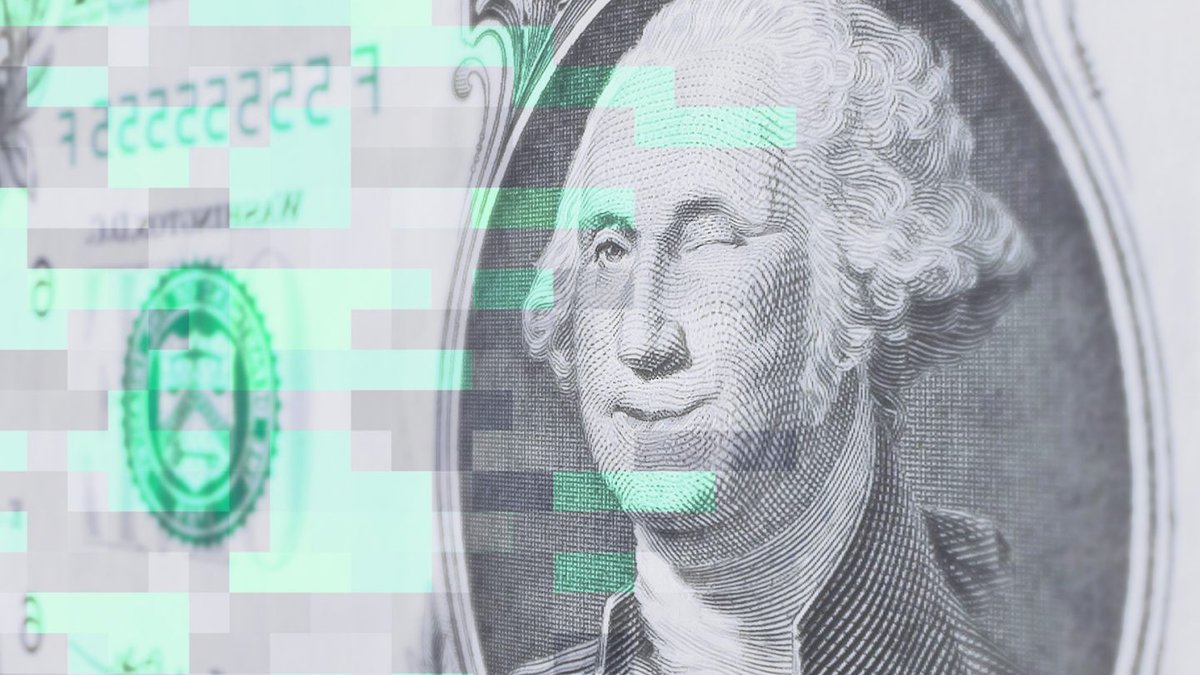
Trump floated the idea.
President Donald Trump recently suggested that the federal government should buy equity in artificial‑intelligence firms, a move prompted by concerns that the sector’s rapid growth is leaving most Americans behind.
Government equity in private tech raises practical questions
The concept of state ownership in businesses is not new. Nations often hold stakes in industries deemed essential, such as oil, steel, banking or telecommunications. In the United States, the Alaska Permanent Fund distributes dividends from oil revenues to residents, and the current administration has already purchased minority stakes in more than two dozen companies spanning semiconductors, nuclear energy and even quantum‑computing ventures.
OpenAI and Anthropic have both hinted at a public or sovereign‑wealth fund that could spread AI‑generated wealth across the populace. Yet the developers behind ChatGPT and Claude differ fundamentally from traditional manufacturers. Owning a 5% share in an AI firm does not equate to public ownership, nor does it guarantee that ordinary citizens will reap any profit.
Related: Apps thrive without internet connection
AI is poised to reshape every industry, yet the United States lacks a federal AI regulatory framework. Officials argue that imposing rules now could hamper innovation and weaken the country’s competitive edge against China. Critics warn that if the government holds equity in AI firms, it may become reluctant to enforce safety standards, antitrust rules or content controls that could affect the companies’ market value.
Potential conflicts and the risk of “too big to fail”
Stakeholder conflicts could emerge. Users might worry about privacy if the government becomes a shareholder, or wonder whether data‑center approvals would bypass public oversight. Ongoing lawsuits against AI firms raise the question of whether plaintiffs could still sue if the government has a financial interest. When Apple or OpenAI face litigation, the government’s position could be ambiguous.
There is also the specter of “too big to fail.” If a government‑backed AI company experiences a revenue slump, policymakers might feel pressured to bail it out, creating a slippery slope that blurs the line between public interest and corporate rescue. Former presidential candidate Michael Bloomberg warned that “politics trump profits, favoritism and cronyism take root, innovation suffers, competitiveness erodes, and regulation is corrupted” when the state becomes a shareholder.
Professors Mona Sloane and Emanuel Moss of the University of Virginia argue that AI systems function as infrastructure intersecting with public interest, suggesting they be treated as a public utility. That framing would aim to secure accountability and democratic governance of AI resources.
China already employs a model of state‑linked ownership, granting “golden shares” that give the government veto power over major tech firms. Its national AI fund invests across the ecosystem, from chip design to applications, aligning companies with strategic goals while imposing swift safety, content and export controls. President Xi Jinping has emphasized the need for AI that is “secure and controllable.”
Related: Memory shortage shrinks PC market 4% Apple up
While those Chinese moves focus on self‑sufficiency, the United States is debating whether a similar approach could address domestic inequities.
In practice, a government stake may not translate into tangible benefits for everyday people. The equity could become a symbolic gesture rather than a mechanism for redistribution, especially if the firms remain privately controlled and profits stay concentrated among a small group of investors.
That perspective suggests a different route: instead of direct ownership, the government could fund AI startups through venture‑style investments or support independent safety institutes modeled after those in Singapore or the United Kingdom. Such structures would aim to promote innovation while safeguarding public interests without entangling the state in corporate governance.
Critics note that the United States’ approach to AI regulation remains nascent, and that any policy shift will need to balance the desire for broad‑based benefits with the risk of stifling the sector’s growth. The debate continues as AI companies prepare for initial public offerings that could make a handful of founders extraordinarily wealthy.