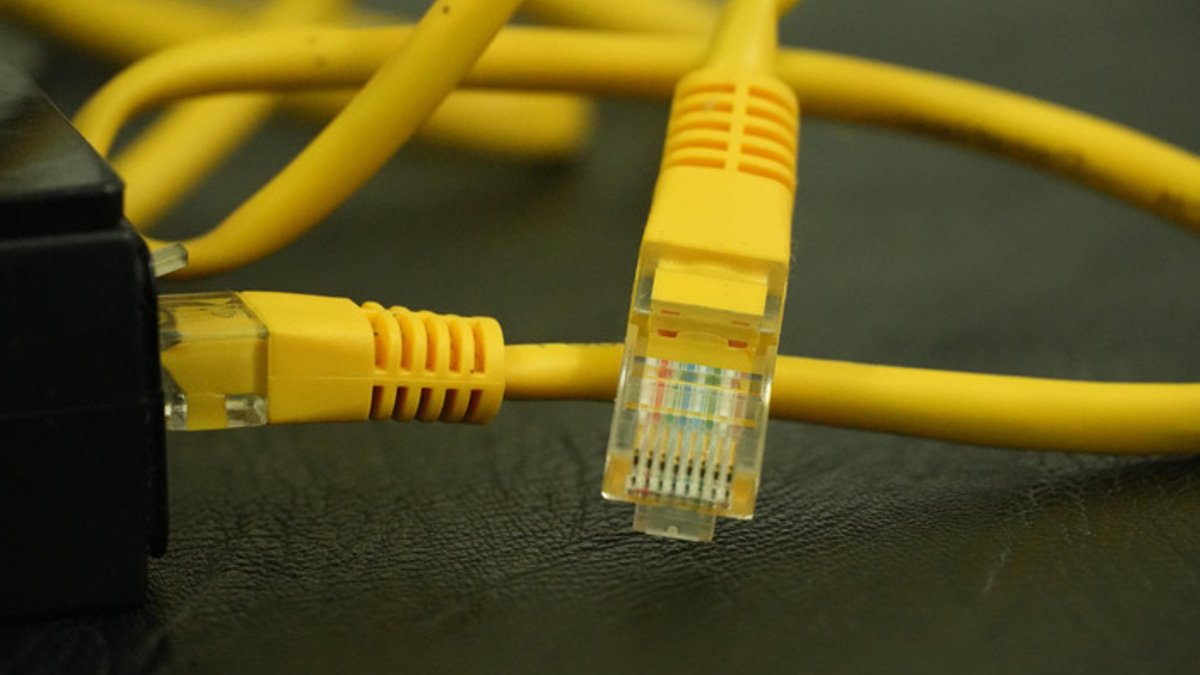
A PC equipped with two Ethernet ports offers more than just a design feature; it provides tangible benefits for workstations, servers, and advanced networking applications. While most home users do not require both ports, they enable specialized functionality. The primary advantage lies in redundancy and failover systems. When one connection fails, the system automatically switches to the backup, maintaining continuous operation for essential tasks.
Another key function is link aggregation, where two Ethernet connections merge into a single logical channel. This configuration enhances bandwidth in compatible setups, though it does not double speeds. Performance improvements depend on hardware compatibility and proper configuration between the PC and network switch. Data transfer rates are constrained by the slower of the two connections.
Network segmentation represents one of the most practical uses. Users can dedicate one port to routine traffic while reserving the other for specialized networks—such as industrial lab equipment, dedicated storage, or isolated virtual machines. This separation strengthens security and optimizes performance, particularly in cybersecurity, network administration, or small business servers. Virtualization platforms can direct traffic from different virtual machines through separate ports, maintaining workload isolation.
Read Also: Avoid Debris When Closing Foldable Phones
In domestic environments, a second Ethernet port is seldom necessary. A single wired connection typically delivers stable speeds and surpasses wireless performance. The additional port becomes relevant only for specific scenarios, like transferring large files to a NAS or media server. It cannot serve as an extra outlet for expanding a home network; if a router lacks sufficient ports, an Ethernet switch provides a better solution.
Simultaneous use of both ports does not automatically increase internet speed unless configured correctly. Without proper setup, it may even introduce connectivity problems. For most home PCs, whether used for gaming, general tasks, or streaming, the second port remains underutilized. Its full potential is realized in professional or server setups where network reliability and redundancy take precedence over convenience.
For professionals managing servers or high-demand networks, dual Ethernet ports offer critical advantages. They allow for load balancing, failover protection, and traffic isolation, all of which enhance system stability. In contrast, casual users rarely encounter situations where both ports are indispensable. The feature’s value is clear in environments where network uptime and performance are non-negotiable.