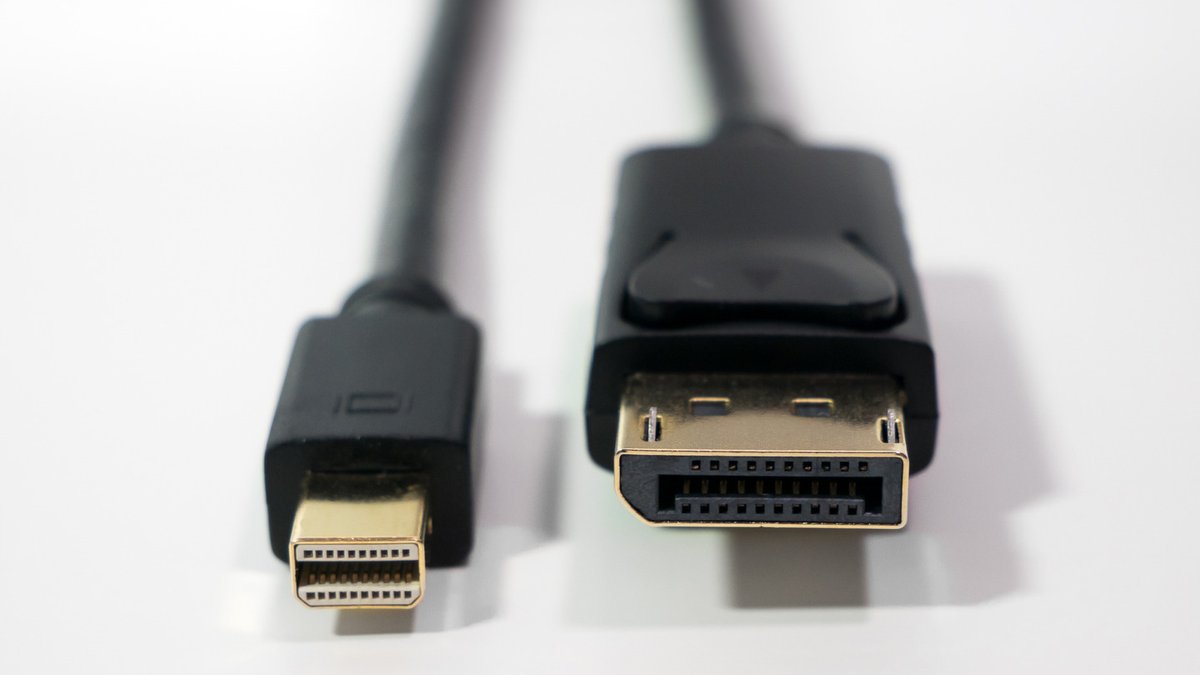
Mini DisplayPort, introduced by Apple in 2008, once served as a key video output option for smaller devices. It replaced older interfaces like VGA and DVI with a slimmer connector, appearing on most Mac models for several years. However, the port has become increasingly rare, with even Apple removing it from newer Macs. Despite its decline, Mini DisplayPort is not entirely obsolete, though its usage has diminished significantly.
The Rise and Fall of Mini DisplayPort
Mini DisplayPort was designed for compact devices, offering a smaller alternative to the full-size DisplayPort standard. Both ports support video and audio transmission, but the mini version suited laptops and small desktops like the Mac mini. Its compact design made it ideal for Apple’s hardware during that era.
The Thunderbolt standard initially adopted the Mini DisplayPort connector for its first two versions. This allowed video, audio, and high-speed data transfer through a single port, which suited accessories like the Apple Cinema Display. However, Thunderbolt 3, released in 2016, shifted to the USB-C connector, prompting manufacturers to abandon Mini DisplayPort in favor of the more versatile USB-C. This transition marked a key shift toward multi-functional ports, as USB-C could integrate video, data, and power delivery.
Read Also: Google Gemini Automates Everyday Tasks Easily
USB-C and Thunderbolt Take Over
USB-C has since become the dominant port for most new devices, supporting data transfer, video, audio, and even Thunderbolt protocols. Its reversible design and compact size made it a natural replacement. USB-C also supports DisplayPort Alternate Mode, enabling the same video signal through a more modern cable, reducing the need for Mini DisplayPort-to-DisplayPort adapters. This compatibility layer further diminished the demand for Mini DP adapters, as users could now connect modern displays directly with USB-C-to-DisplayPort cables.
DisplayPort’s Enduring Role
Full-size DisplayPort remains relevant in high-end monitors and graphics cards, where its superior bandwidth is critical. While HDMI 2.1 offers up to 48 Gbps, DisplayPort 2.1 reaches 80 Gbps, making it the preferred choice for ultra-high resolutions like 4K at 240Hz. HDMI 2.2 promises 96 Gbps, which may narrow the gap, but DisplayPort continues to lead in demanding applications.
Depending on the generation, DP can handle resolutions up to 8K and beyond, at high frame rates (144+Hz) depending on the resolution. Meanwhile, older connectors struggle with anything above 1080p, showing DisplayPort’s technical edge. Users with older Mini DisplayPort hardware can still connect to modern displays using cables, though some devices like VR headsets may require careful compatibility checks. The Apple Cinema Display, for instance, does not work through Thunderbolt adapters, highlighting potential limitations when using legacy gear.