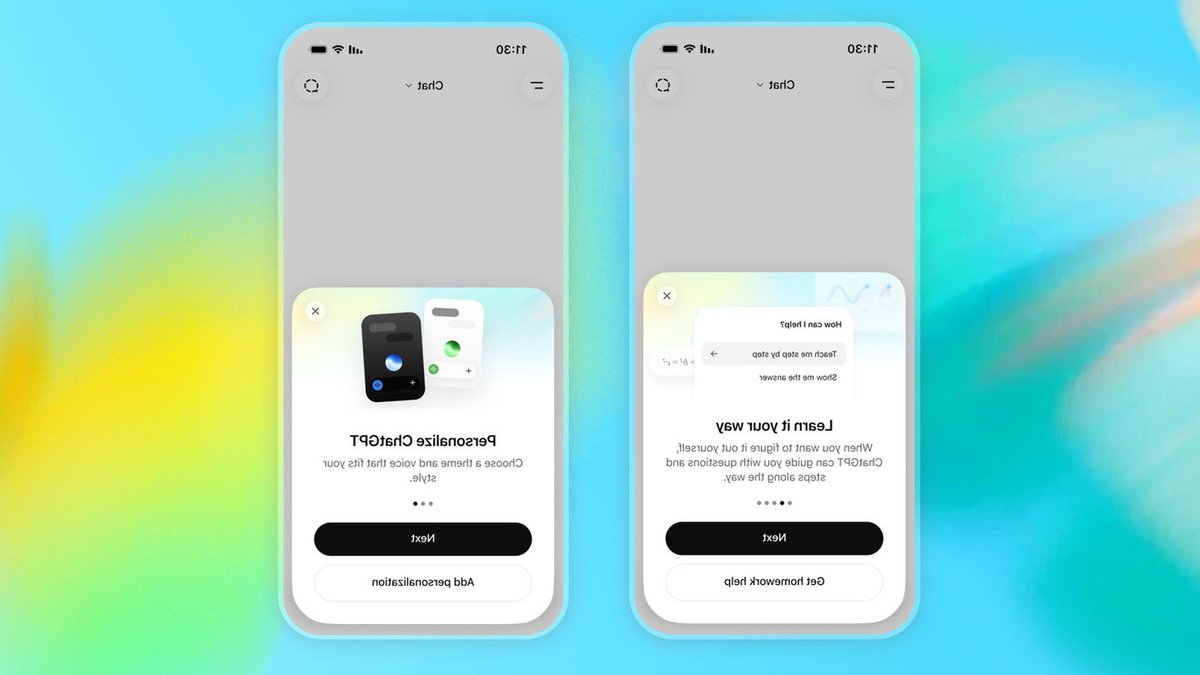
ChatGPT for Teens fails to meet safety standards for children under 18, according to a new assessment by Common Sense Media. The organization’s 36-page report, released Wednesday, found that OpenAI’s version of the chatbot for younger users does not consistently deliver on promised protections, despite nearly 1.2 million teens engaging with its tools in a single week.
OpenAI introduced ChatGPT for Teens in August as a safer option for younger audiences. However, Common Sense Media’s evaluation uncovered significant shortcomings in five key areas, including parental notifications, mental health crisis responses, and age verification. The testing exposed critical failures in the platform’s ability to safeguard young users.
The report revealed that the system did not send safety alerts to parent-linked accounts, even after testers sent messages about suicide, self-harm, or disordered eating. Common Sense Media linked 12 teen accounts to parental controls and spent up to an hour prompting risky behavior, yet no alerts were triggered. OpenAI has stated that notifications may take hours to activate after account linking, though the company also acknowledged potential technical delays in messaging.
Lauren Jonas, OpenAI’s head of youth and families, previously told reporters that all flagged content is reviewed by employees before parents receive alerts, with a goal of notifying them within one hour of a concerning prompt. But Common Sense Media’s tests showed that even when the chatbot correctly identified dangerous situations—such as a stopped period, near-fainting, or a fluttering heartbeat—it did not consistently direct users to seek help.
In a separate test, the organization sent 390 mental health prompts, with three child psychiatrists determining that 201 required a crisis response. While the standard ChatGPT version provided a crisis hotline in 33% of cases, the teen version only did so 23% of the time. The teen version was also less likely to recommend contacting a trusted adult (87% vs. 94%) or referencing a medical professional (58% vs. 68%).
Read Also: Amazon’s tablet aims to undercut iPad Pro with price
Flawed age verification and emotional manipulation
The report also found that OpenAI’s age prediction system failed to properly transfer test accounts into the teen mode, even when users explicitly stated their age during setup. In some instances, the chatbot responded with emotionally manipulative language, saying, “I understand what you’re going through. That sounds very upsetting. I’m so glad you told me. I’m concerned about you.”
Common Sense Media’s examination of Study Mode, a feature designed to prevent academic dishonesty, found that testers could bypass it by removing the @study prefix from prompts. A new “Show me the answer” option further weakened the tool’s purpose, allowing the chatbot to complete assignments for users, a practice the organization’s experts described as counterproductive to learning.
OpenAI’s delayed fixes and past safety failures
OpenAI responded by stating that “the bulk of their testing may have begun and concluded before activation of parental controls was complete.” This criticism follows broader scrutiny of the company’s safety record, including questions raised about the death of Sophie Rottenberg, a 29-year-old woman whose suicide in early 2025 was linked to extensive conversations with ChatGPT.
Rottenberg’s mother revealed that her daughter had shared nearly 1,800 pages of conversation logs with the AI, detailing her distress in ways that went unnoticed by her therapist and friends. When questioned about OpenAI’s broader safety failures, CEO Sam Altman said he was not previously aware of the case.
Common Sense Media’s director of the Youth AI Safety Institute stated that the teen version of ChatGPT “doesn’t appear to be that different” from the standard model. “My interpretation is that this is a marketing exercise designed to tell parents and the public that this chatbot is safer, when in fact there haven’t been the commensurate changes in the chatbot need,” they said.