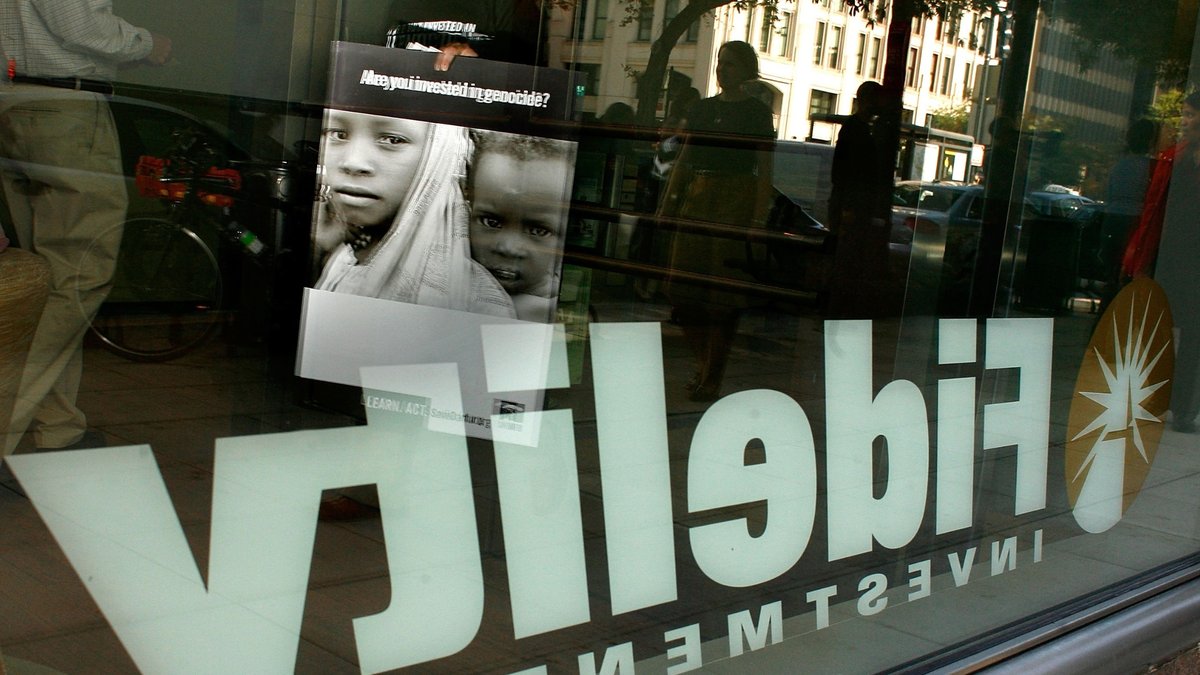
Fidelity’s institutional clients purchased $134 million in Bitcoin over two days ending August 19, the firm’s largest on-chain accumulation since early July. The buys coincided with the Federal Reserve releasing minutes from its July meeting, which revealed a more aggressive internal debate than the hold decision indicated.
Historical calm sets the stage for a volatile break
Bitcoin’s historical volatility has dropped below 98.5% of all trading days in its history, according to Fidelity’s data. Spot trading volume has reached its lowest level since 2019, a condition Glassnode describes as “seller exhaustion.” The firm’s Seller Exhaustion Constant—a metric combining low volatility and low volume—sits at a cycle low, one of the weakest readings since 2013.
Such quiet markets rarely last. Thin liquidity amplifies any sudden demand or supply, meaning even moderate activity can trigger sharp price swings.
Fidelity’s clients aren’t all moving in the same direction
The $134 million figure comes from on-chain wallet activity tracked by Arkham Intelligence, not ETF flow data. This distinction is important. When investors buy or redeem shares of Fidelity’s Wise Origin Bitcoin Fund (FBTC), the transaction flows through an authorized participant like Jane Street or Citadel Securities. These firms aggregate orders into creation units before delivering them to the ETF issuer. The underlying Bitcoin is then sold on the spot market or held in custody, depending on whether shares are created or redeemed.
On-chain accumulation avoids this process entirely. Fidelity’s institutional clients, family offices, or Fidelity Digital Assets custody customers buying Bitcoin directly appear in Arkham’s data but don’t register as ETF inflows. The $134 million represents Bitcoin changing hands outside the primary market infrastructure most analysts monitor.
This split behavior appears in Fidelity’s own data. For the week of August 10-14, FBTC recorded $153.2 million in net outflows, the worst performance among major Bitcoin ETFs. During the same period, Fidelity’s custody clients were among the most active buyers on-chain. The firm’s investor base includes both active sellers through the ETF and active buyers through direct channels.
Jackson Hole, the CLARITY Act, and the September FOMC decision
The Federal Reserve Bank of Kansas City’s annual Economic Policy Symposium runs from August 27 to 29. Fed Chair Kevin Warsh will deliver the keynote on August 28. The 2026 theme—”Financial Innovation: Implications for Payments and Policy”—is the most relevant to Bitcoin in the event’s four-decade history. Warsh’s speech arrives 19 days before the September 16 FOMC rate decision.
Fed chairs have historically used Jackson Hole to signal major policy shifts. The theme ensures digital asset infrastructure will be part of the discussion.
The Senate’s procedural vote on the CLARITY Act is scheduled for September 15. The bill, which would classify Bitcoin as a CFTC commodity, has already passed the House.
Related: Google Play Services adds Express Pay refreshes Shorts
The September 16 FOMC rate decision is the third event. Markets currently price a roughly one-in-three chance of a 25-basis-point hike.
For Fidelity’s clients who bought Bitcoin over the past two days, the strategy reflects accumulation during the quietest market in seven years, just as the calendar delivers potential catalysts. In a market built on thin liquidity, shifts in demand or supply could lead to sharp movements.