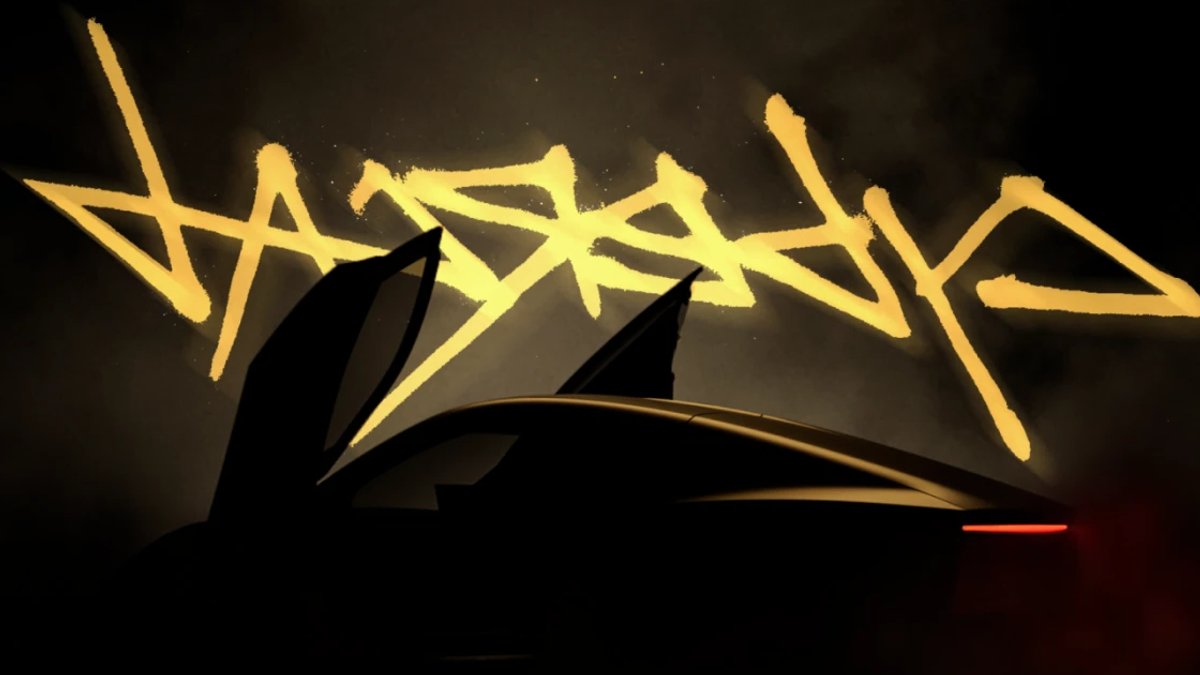
Tesla registered its first seven purpose-built Cybercabs with the Texas Department of Motor Vehicles on Monday, marking the debut of the new vehicle in the company’s commercial fleet registry. This development coincided with an expansion of the robotaxi service in Dallas, where the operating zone grew by roughly 50 percent on August 29 to approximately 120 square kilometers (46.3 square miles). Both milestones rely on the same technical foundation: the fleet is running early builds of Full Self-Driving version 15, the next-generation driving software Tesla has described as its prerequisite for mass deployment.
Tesla’s official Robotaxi account posted a before-and-after map showing the Dallas coverage zone had expanded by roughly 50 percent. The update pushed the western boundary further into the city and added more of the downtown core, extending service to neighborhoods that had been just outside the operating boundary since Dallas launched in April with a footprint centered on Highland Park and Oak Lawn. Dallas has followed the same incremental playbook Tesla used in Austin: launch with a compact zone, add local driving data, and expand the digital boundary in stages.
The August 29 update was the largest single Dallas expansion since the April 18 launch, when the service opened with approximately 31 square miles. By contrast, Austin’s geofence after nearly a year of staged expansions now covers the entire metro area at roughly 245 square miles (634 square kilometers). Dallas has moved from launch to roughly 46 square miles in about four months.
Related: Megan Park Probes Apple Mystery in Cultural Perception
For Dallas riders, the expansion means the Robotaxi app’s coverage map is now large enough to include most of central Dallas. For readers tracking the broader program, the size of the zone still needs to be read against the size of the fleet behind it. Community trackers estimate roughly 85 active unsupervised vehicles spread across all six markets. Tesla has not disclosed how many of those are in Dallas specifically, or how wait times inside the expanded zone compare to the original footprint.
Operating Hours Tightened to Guarantee Fully Driverless Rides
Three days before the Dallas expansion, Tesla announced a system-wide standardization of robotaxi operating hours across all six active cities. The service now runs from 6 a.m. to 10 p.m., seven days a week, in every market. The announcement also said the unsupervised fleet had grown “a lot bigger” and that upgraded routing intelligence would reduce wait times.
The hours change appears designed to enforce a clean separation between supervised and unsupervised operations. Austin had previously offered service windows that extended later into the night, and those expanded windows allowed supervised vehicles—cars with a human safety monitor in the front seat—to occasionally fill demand. Under the new unified schedule, every ride in every city during operating hours is supposed to be completed by a fully driverless vehicle. The 6 a.m.–10 p.m. window was calibrated around when the system can operate at the confidence level Tesla requires for unsupervised rides; Tesla has said its next stated goal is 24/7 service.
Related: Barkour sets 2026 release with new Gamescom demo
The fleet growth claim is the most significant element of that announcement. On August 27, the Texas DMV registration database showed a 41.4 percent single-day increase in Tesla’s registered robotaxi fleet in Texas—jumping from 191 to 270 registered Model Y vehicles on August 27.
Cybercabs Enter the Texas Registry
According to Texas DMV registration data tracked by the Whole Mars FSD Database and reported by multiple community trackers, Tesla registered its first seven 2026 Cybercabs with the state’s Motor Carrier Credentialing System in Austin. The entries appeared in TxMCCS—the Texas Motor Carrier and Automated Motor Vehicle Operator Lookup—under Tesla Robotaxi, LLC, with VINs carrying the 5YJA prefix, distinct from the 7SAYG prefix on Model Y robotaxis. This brought Tesla’s authorized Texas robotaxi total to 276 vehicles: 269 Model Ys and the seven Cybercabs.
The Cybercab is a materially different vehicle from the Model Y units that currently handle all robotaxi rides. It is a two-seat coupe with no steering wheel and no pedals—the first vehicle in Tesla’s commercial fleet designed exclusively for autonomous operation, with no provision for a human to take manual control from inside the car. It carries a 35-kilowatt-hour battery pack and an estimated range of approximately 200 miles (320 kilometers), runs on Hardware 4 (Tesla’s current AI4 compute platform), and has been in production since February 2026 at Gigafactory Texas. Employee test rides in Cybercab began in July 2026.
Related: State-owned AI fails to address growing inequality
Tesla has said it has been deliberately holding back the addition of more Model Y vehicles to the robotaxi fleet because it intends to fold the Cybercab into active commercial service instead. That strategy makes the seven new Texas DMV filings meaningful: they represent the first documented step in that transition from a retrofitted Model Y fleet to a purpose-built autonomous vehicle fleet. The seven registrations do not confirm how many Cybercabs will carry paying passengers at the September 3 launch event, which is invite-only and limited to selected past robotaxi riders plus sweepstakes winners. What they confirm is that the vehicles are officially in the system—legally registered autonomous motor vehicles in Texas—three days before the event.
The software architecture powering these vehicles is currently incomplete. FSD v15, the system running on both the expanded Dallas fleet and the newly registered Cybercabs, has roughly ten billion parameters—ten times the size of the model in current consumer vehicles. Tesla VP of AI Software Ashok Elluswamy confirmed at the company’s Q2 2026 earnings call that the robotaxi fleet was already running v15 early builds. At that time, he stated that approximately 40 percent of the seven planned improvement tracks for v15 had been merged into the builds running on the fleet. This means the miles accumulated by the fleet—including the three incidents logged in June 2026 with zero at-fault results—represent validation data for an unfinished architecture, not the finished product.
While the technology is still maturing, the deployment strategy is aggressive. The Dallas expansion, the fleet registration jump, and the Cybercab DMV filings are now loading onto a software architecture that is, by Tesla’s own account, only about three-fifths complete. The September 3 event in Austin will serve as a public showcase for the Cybercab, but the real test of the system’s readiness will come from the ongoing operation of the fleet in cities like Dallas and Austin. The system’s ability to handle complex, unfamiliar driving scenarios on a large scale remains the central question for the weeks ahead.