Nvidia’s fiscal second-quarter 2027 earnings report confirmed record revenue of $96.2 billion, according to the Q2 FY2027 SEC filing. This delivered external validation of Micron Technology’s pricing power, but the stock market largely ignored the implication for Micron shareholders.
Nvidia CFO Colette Kress disclosed that memory prices had exceeded the company’s projections and were still climbing, which would compress gross margins from 75% in the second quarter to a trough of 71% to 72% by the fourth quarter of fiscal 2027.
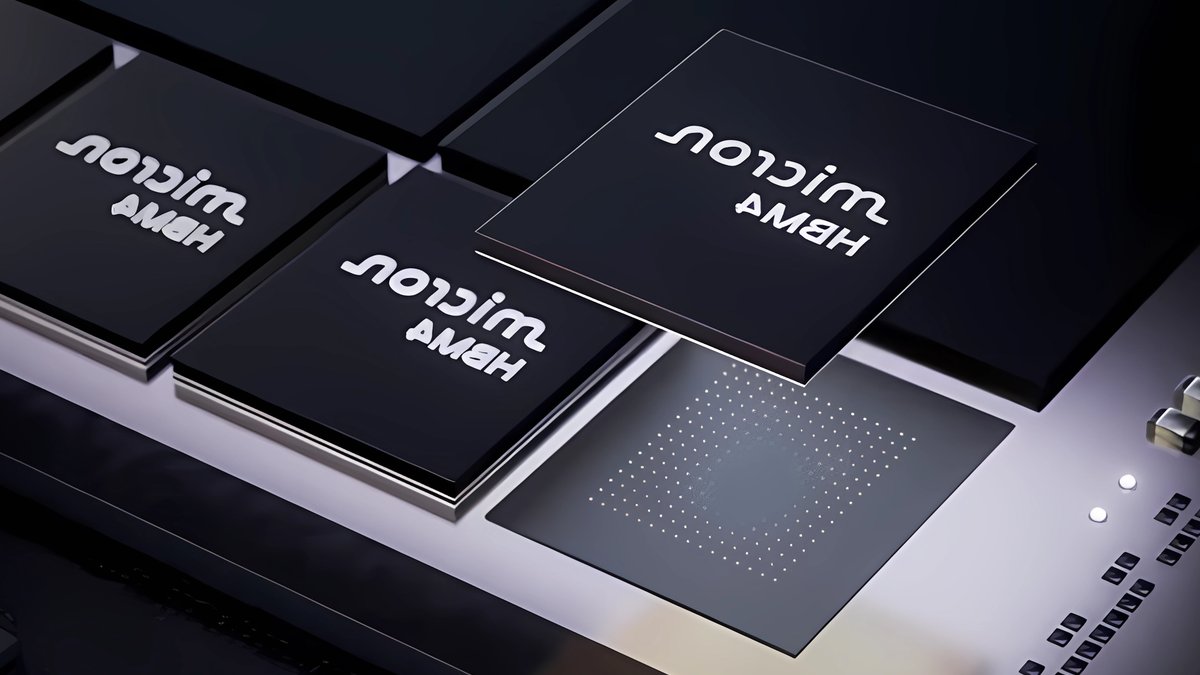
High bandwidth memory now accounts for an estimated 30% to 40% of the total build cost of an AI accelerator, up from under 20% two generations ago. Every dollar Nvidia is now paying above its prior expectations for HBM is a dollar landing on the income statements of one of the three suppliers: Samsung, SK Hynix, and Micron Technology.
Micron stock currently trades at approximately six times its fiscal 2027 consensus earnings estimate, which is a gap of 80% from the semiconductor industry forward P/E median of 29.18. This divergence reveals the market’s cyclical assumptions.
Related: Andreessen Horowitz Raises $1.1B for Megawatt AI Racks
The market is effectively pricing in a repeat of the historical DRAM boom-bust cycle, where memory manufacturers build capacity simultaneously during an upturn, flood the market, and watch prices collapse. In the memory industry’s prior downturn, Micron’s gross margins fell from 45.2% in fiscal 2022 to approximately 2.7% in fiscal 2023.
A forward P/E of six on projected earnings implies the market sees a high probability that those earnings projections will not materialize.
However, there are structural changes that the cyclical bear argument does not account for. The wafer economics of HBM alter supply patterns, and Micron has moved aggressively to convert the demand environment into durable, long-term contracts. The company reported 16 strategic customer agreements at the end of fiscal third quarter, spanning data center, automotive, and consumer end markets.
Micron’s most recent quarterly results illustrated how dramatically the company’s financial profile has changed.
Related: Chainsaw Man Reze Arc Starts September 19
Nvidia’s revenue opportunity per gigawatt of data center capacity has grown from about $18 billion during the Hopper generation to $25 billion with Grace Blackwell to a projected $40 billion with the Vera Rubin platform. The company’s supply commitments grew from $119 billion to $279 billion in a single quarter, primarily to lock in memory procurement at current prices before costs climb further into fiscal 2028.
Micron is expected to report its fiscal fourth-quarter 2026 results on or around September 22, 2026.
The market’s current multiple of six times forward earnings reflects either a confident prediction that those earnings will not persist or a persistent failure to reprice what has changed. Nvidia’s August 26 earnings made clear which of those readings is harder to sustain, as the company’s disclosure frames the scale of what is happening in the AI hardware picture.