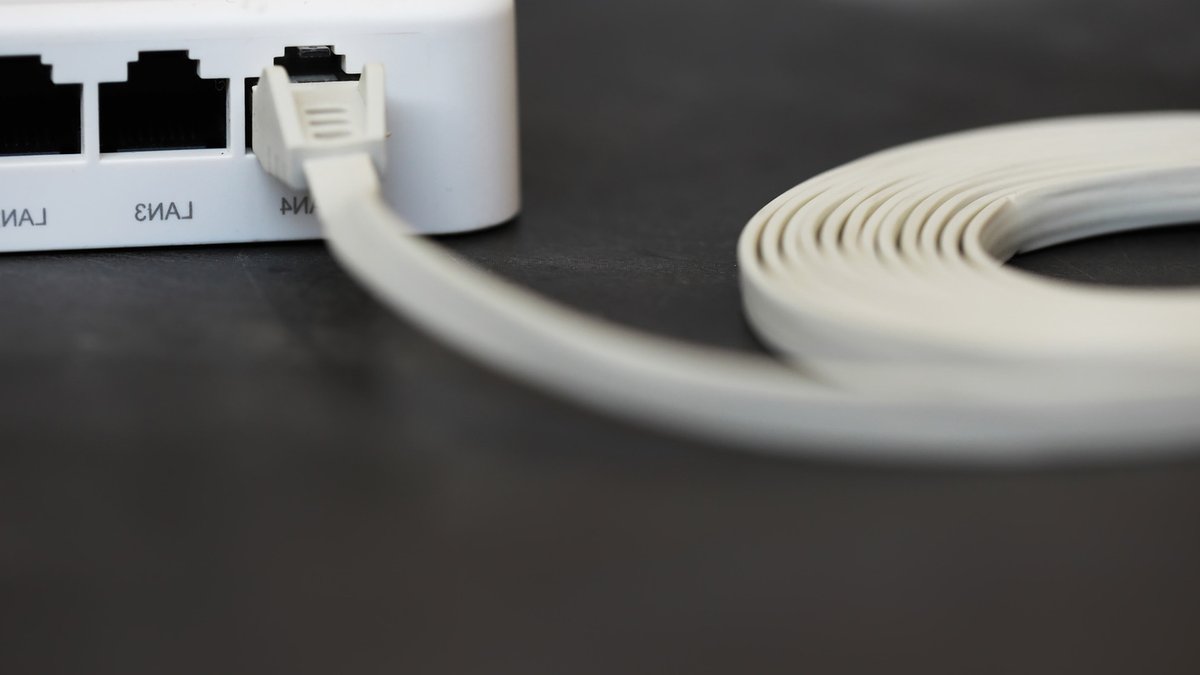
Flat Ethernet cables may appear more streamlined and easier to conceal, but their design introduces limitations that can affect network performance in home environments. While they are favored for their simplicity and discreet installation, traditional round cables generally provide more dependable connections in most scenarios.
Ethernet cables use twisted pairs of wires to reduce interference between signals. Round cables wrap these pairs tightly around one another, which minimizes crosstalk—the unwanted signal leakage that can slow data transfer speeds. Flat cables, however, arrange their pairs in a straight line, making them more susceptible to interference from adjacent wires. Without the same level of shielding as round cables, flat versions may experience reduced speeds or unstable connections, particularly in environments with high wire density.
The problem extends beyond signal interference. Flat cables frequently use thinner wires to maintain a slim profile, which increases electrical resistance. Over longer distances, this resistance weakens the signal, potentially leading to slower speeds or intermittent connectivity. Even if a flat cable meets the same rated speed as a round counterpart, real-world factors, such as bending around corners or compressing under doorframes, can exacerbate wear. Their thinner construction and rigid layout also make them more prone to physical damage from stress.
Despite these drawbacks, flat cables serve practical purposes. They are ideal for scenarios where round cables cannot fit, such as routing under doors, through narrow gaps, or beneath carpets. In rental spaces or settings where wall drilling is impractical, they often represent the only feasible option. For short connections where bending is not a concern, flat cables can function adequately, though they will not match the reliability of round cables in high-demand applications.
Read Also: Tesla Roadster Thrusters Echo Lockheed’s MKV Tech
For the average user, the choice depends on priorities. If appearance or space-saving is the main concern, flat cables can be a viable solution, but they work best in low-interference environments and for shorter runs. For critical tasks, such as gaming, high-definition streaming, or transferring large files, round cables remain the more dependable choice. The decision ultimately comes down to how much risk one is willing to accept regarding signal stability.
Flat Ethernet cables are unlikely to disappear entirely, but their limitations suggest they are better suited as a temporary or supplementary option rather than a universal replacement. While manufacturers could enhance shielding or increase wire thickness, current designs still lag in performance consistency. The key consideration is whether the convenience of flat cables justifies the potential trade-offs in a specific network setup.
Their adoption has grown due to convenience, but round cables continue to dominate in performance-sensitive applications. The debate over which type to use often hinges on balancing practicality with the need for consistent, high-speed connectivity.